
An AI personality scanner is a tool that analyzes patterns in your text or answers to estimate traits like communication style and motivation. Many people try an AI personality scanner because it feels faster than long tests and easier to apply in daily life.
The output is not a diagnosis, but it can highlight habits you repeat without noticing. When you compare results with feedback and outcomes, you can uncover hidden traits and make smarter choices.
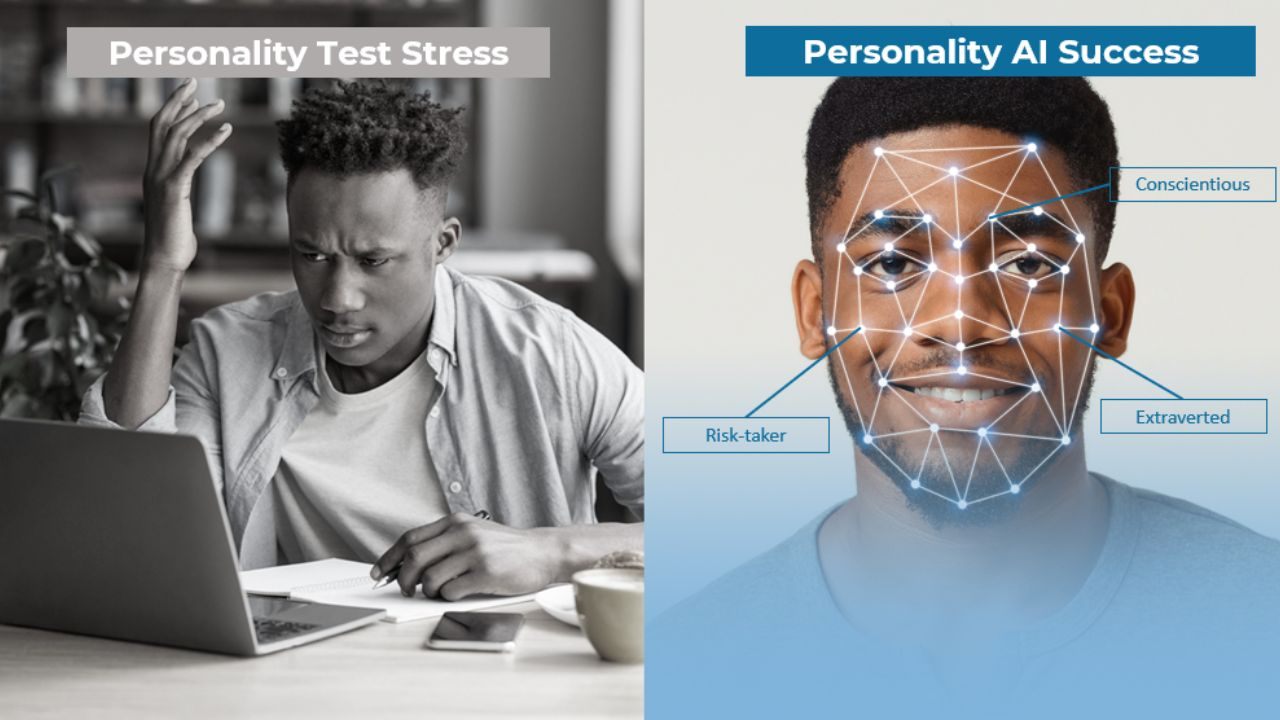
Why AI Personality Scanners Feel Useful Right Now
AI personality scanners are popular because work and social life depend on constant writing, quick calls, and fast decisions.
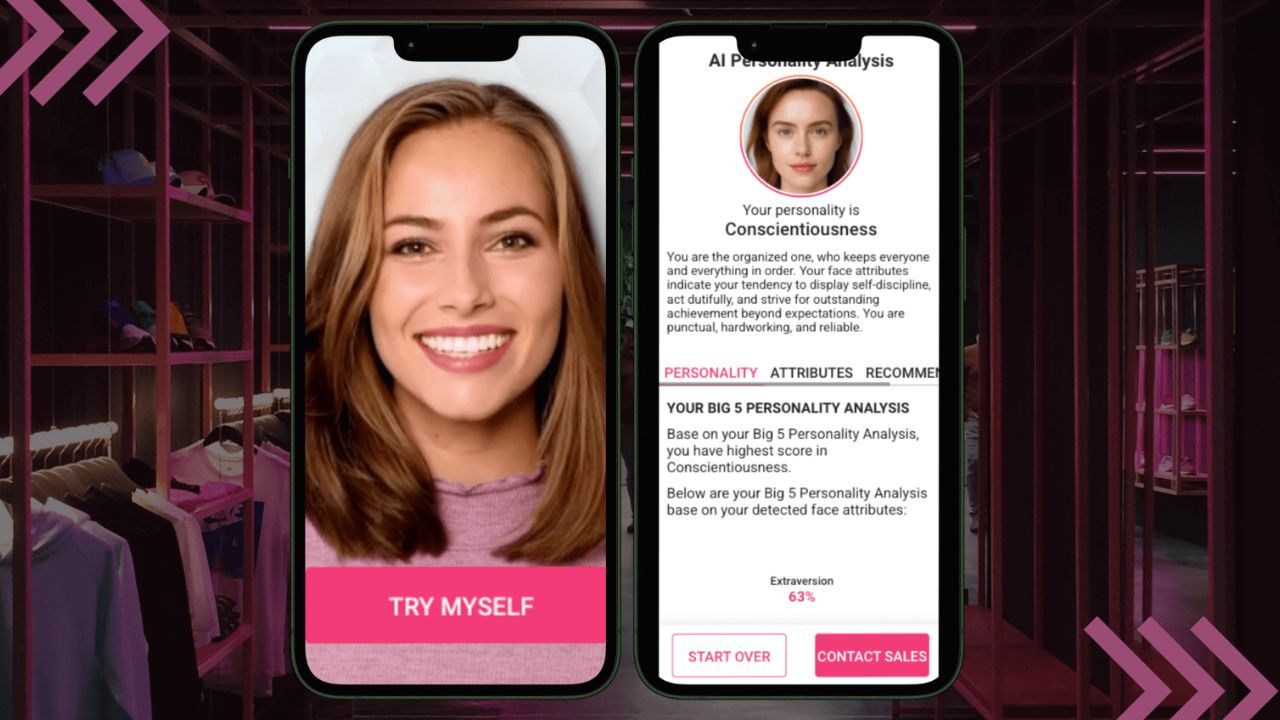
When you feel misunderstood, you may want a clearer explanation for why certain interactions work and others fail.
These tools add structure, which can reduce guesswork and overthinking. The best use is self calibration based on patterns you can observe and improve.
Blind Spots Created By Intent Versus Impact
You know your intent, but other people experience your words and tone, which can create a gap you miss. A scanner may flag habits like overexplaining, hedging, or sounding sharper than you mean.
That matters because patterns compound into trust and cooperation over time. The insight helps when it points to one behavior you can adjust in the next conversation.
Why Fast Feedback Can Mislead You
AI tools often analyze a small sample, then summarize patterns quickly, which can feel convincing. Speed is helpful when it reduces overthinking and helps you start experimenting sooner.
The risk is treating one report as truth, especially if the sample is narrow or overly formal. Use the output to create questions you can test during the week, not conclusions you lock in.
What People Actually Want From The Results
Most users want direction that makes daily life easier, not a perfect personality profile. They want clearer communication, fewer conflicts, and routines that feel easier to sustain.
They also want language for strengths that is specific enough to use in interviews and goal setting. A good scanner helps when it turns insight into a small action plan tied to outcomes.
What These Tools Can Reveal And What They Cannot
AI personality scanners can summarize patterns in language and behavior that you might miss when you are tired or stressed.

They often estimate style, tone, and motivational tendencies, especially in professional settings. They cannot fully understand your history, culture, or context, so results can be incomplete. Treat the output as a hypothesis that must be tested, not a verdict.
Communication Style And Social Signals In Your Writing
Language contains repeat cues such as formality, certainty, warmth, and how you structure requests. A scanner may summarize whether you prefer detail or brevity and how you respond to disagreement.
This can improve emails and collaboration because you can adjust the parts that create confusion. The value appears when you change one habit, like adding clear action points or removing unnecessary detail.
Motivation And Decision Habits That Shape Your Choices
Some scanners group tendencies into drivers like autonomy, including autonomy, stability, achievement, or connection. The label matters less than what it helps you change, like how you choose projects or design better routines.
Tools may also hint at decision style, such as acting quickly or analyzing longer before committing. Those patterns shape stress, productivity, and follow through. Use the insight to design better routines, not to excuse avoidance.
Stress Patterns And Why One Report Is Not Enough
Tools may infer stress from tone shifts, like becoming shorter, more rigid, or more defensive. That can be a clue, but it does not prove the cause, because stress depends on sleep, workload, and relationships.
One report can mislead if the sample comes from a bad week or a high pressure moment. Look for patterns that repeat across contexts before you trust the interpretation.
A Responsible Way To Interpret Results Without Getting Trapped
You get better results when you follow a simple process that reduces bias and prevents overconfidence.
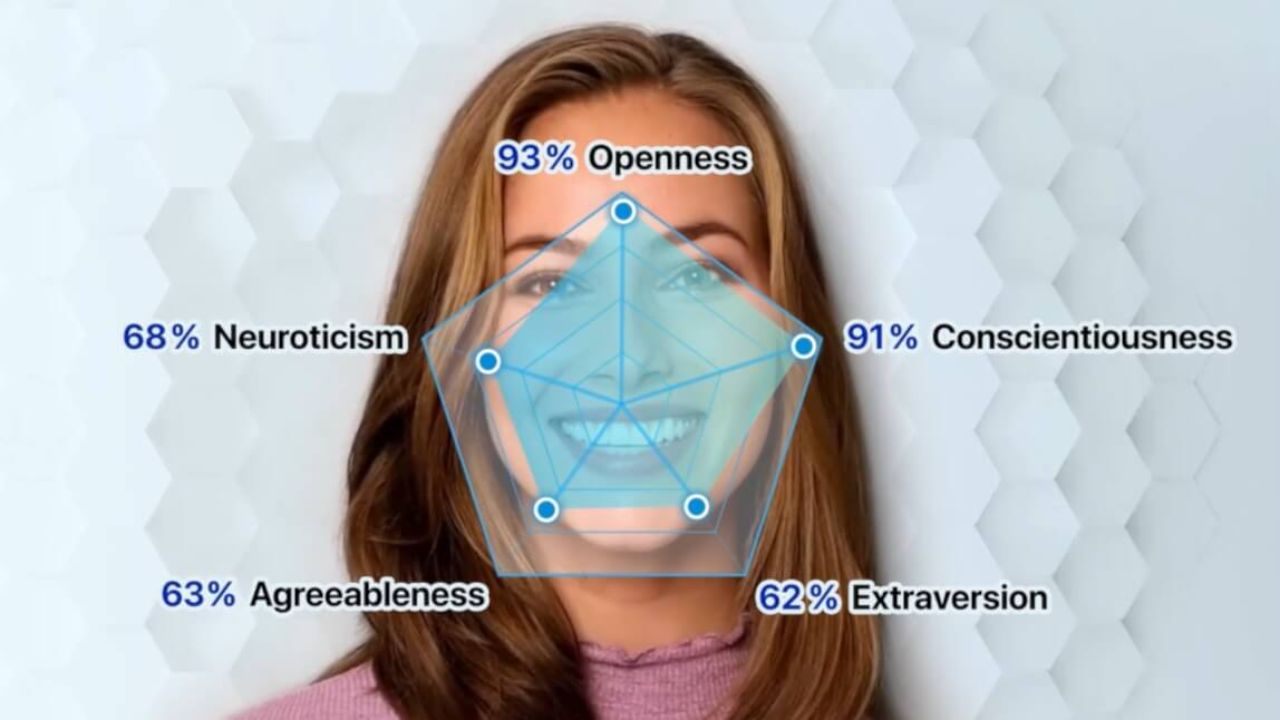
Start with a clear goal, such as improving collaboration, reducing conflict, or building consistency with habits.
Compare the tool output with real examples from your life and feedback from people you trust. Then test one small change for a week and track outcomes, not just feelings.
Treat The Output As A Testable Hypothesis
Ask what behavior the result points to, instead of asking whether it is “true.” If the tool says you are analytical, note when analysis helps and when it delays action.
If it says you avoid conflict, identify situations where you avoid it and where you handle it well. This keeps you grounded in context, where personality shows up as choices and habits. Labels can guide reflection, but behaviors drive improvement.
Validate With Feedback And Behavior Evidence
Review past situations where you performed well and where you struggled, then note what conditions were present. Ask one or two people for specific examples of how your communication lands, not general praise.
If the tool and feedback align, you have a clear target to work on. If they conflict, your input sample may be unrepresentative or incomplete. Behavior evidence should guide your next step.
Red Flags That Signal Low Quality Insight
Be cautious if the tool produces statements that could apply to almost anyone, because that suggests generic output. Also be cautious if it claims certainty from minimal input, like a brief quiz or one message.
A responsible tool speaks in tendencies and tradeoffs, not destiny, and it encourages verification. If the output feels like fortune telling, do not build decisions on it.
Popular AI Personality Scanners And What They Are Best For
Different tools serve different goals, so choose based on your use case and your privacy comfort.

Some focus on workplace communication, some on language based psychological insight, and some on fast assessments designed for speed.
Start with one tool, apply insights for two weeks, and judge by outcomes like clearer conversations and less friction. These four options are commonly discussed in professional contexts and are often used for applied insight.
Crystal And Humantic AI For DISC Style Communication Coaching
Crystal and Humantic AI are often discussed in sales and recruiting because they frame personality insight around DISC style coaching and messaging tactics.
Use them to improve how you phrase requests, set next steps, and adjust tone for rapport, then validate with real reactions.
The risk is treating inferred profiles as certainty when inputs are thin or outdated. Treat both tools as prompts for clarity and empathy, not as labels for someone’s identity.
Receptiviti For Language Based Psychological Signals
Receptiviti is known for turning language into psychological signals, including traits and motivations derived from text. The advantage is that you can compare multiple samples and look for trends across time.
The risk is that context changes language, so a single sample can misrepresent you. Use varied inputs and focus on what stays consistent.
Traitify For Fast Assessments And Preference Clues
Traitify is positioned as a fast assessment tool, using visual interaction and validated models in talent contexts. Speed is useful, but quick tools can oversimplify, so treat results as a starting point.
Pair the output with real examples from your life and one small experiment linked to the result. If it conflicts with your lived patterns, trust evidence and adjust interpretation.
Conclusion
An AI personality scanner can help you discover hidden traits when you treat it as structured feedback, not a final identity statement. You get better results when you use representative inputs, compare outputs with real feedback, and test small changes for measurable outcomes.
These tools can support clearer communication, healthier boundaries, and more consistent habits when you focus on behaviors you can adjust.