

If you have ever stared at a selfie and wondered what looks “off,” you are not alone. AI face symmetry tools promise a fast way to measure balance between facial features using a single photo.
They can be useful for grooming and styling decisions, especially when you want a more objective starting point.
But a symmetry score is not a verdict on beauty, health, or character. The key is understanding what the measurement means, why it changes, and how to use it without overreacting.

What Face Symmetry Actually Means And Why People Care
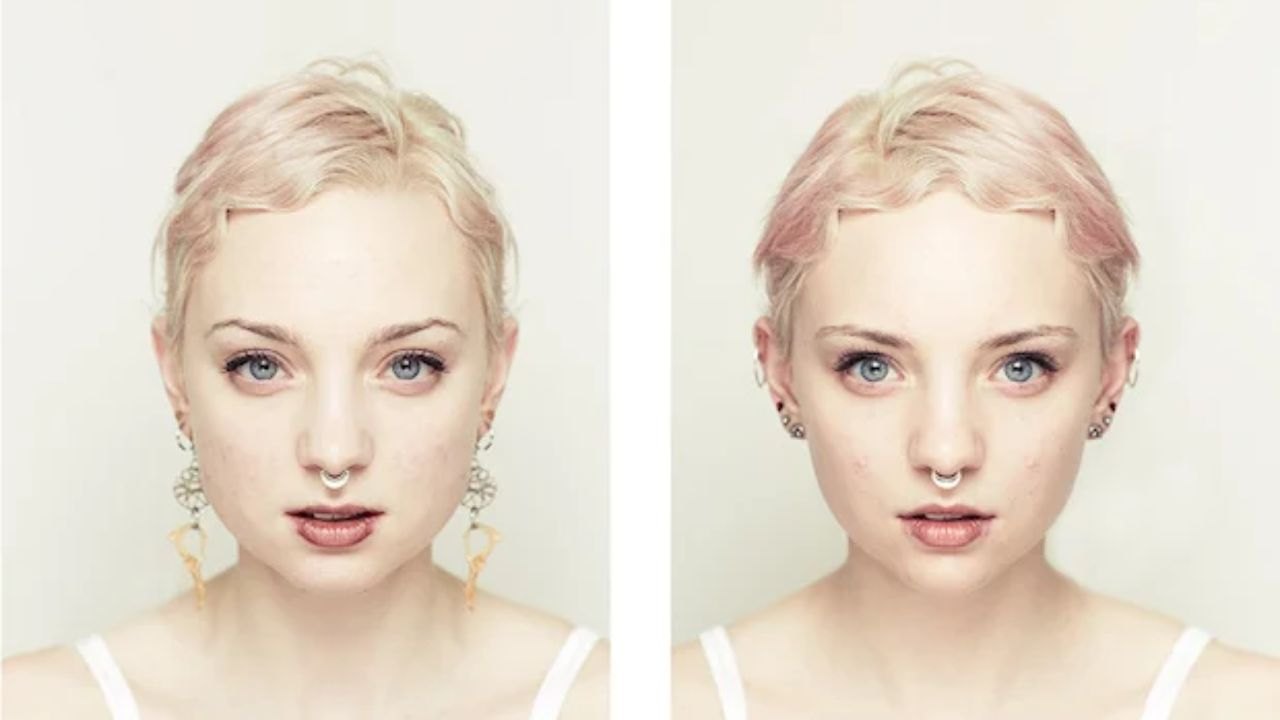
Face symmetry is about how closely the left and right sides of your face match in shape and placement.
People care because symmetry can influence first impressions, especially in photos and short interactions.
Research in face perception has linked symmetry to attractiveness ratings, but the effect is not absolute and does not apply the same way in every context.
Studies also suggest people do not need perfect symmetry to find a face appealing. Small, normal differences are common and often unnoticeable.
Symmetry Versus Proportion And Why They Get Confused
Symmetry is about left and right similarity, while proportion is about how features relate in size and spacing.
Many apps blend these ideas, which is why people think one score explains everything. A face can be fairly symmetrical but still look unbalanced due to proportions, such as jaw width or facial length.
A face can also be less symmetrical yet still look harmonious, depending on overall structure. If you want useful feedback, you should separate “matching sides” from “feature ratios”.
What Research Links To Perception And What It Does Not Prove
Some research finds that more symmetrical faces are often rated as more attractive on average, but that does not mean symmetry guarantees attractiveness.
Ratings depend on many cues, including skin texture, facial averageness, and cultural preferences. Some studies also debate how much symmetry matters once “normality” and other features are accounted for.
What matters for you is the practical takeaway: symmetry can influence perception, but it does not define your value or predict your life outcomes.
Why Photos, Angles, And Lenses Can Change Your “Score”
Your face does not change minute to minute, but your photo does, and symmetry tools read the photo.
Slight head turns can shift landmark positions, making one eye seem higher or one cheek seem wider. Lighting can create shadows that change edge detection and feature boundaries.
Front camera lenses can also distort proportions, especially up close, which can affect results. If you want consistency, you need consistent capture conditions before you compare scores.
What Your Face Symmetry Can Suggest About You
A symmetry result can suggest how “balanced” your face may look to someone at first glance, especially in a still image.
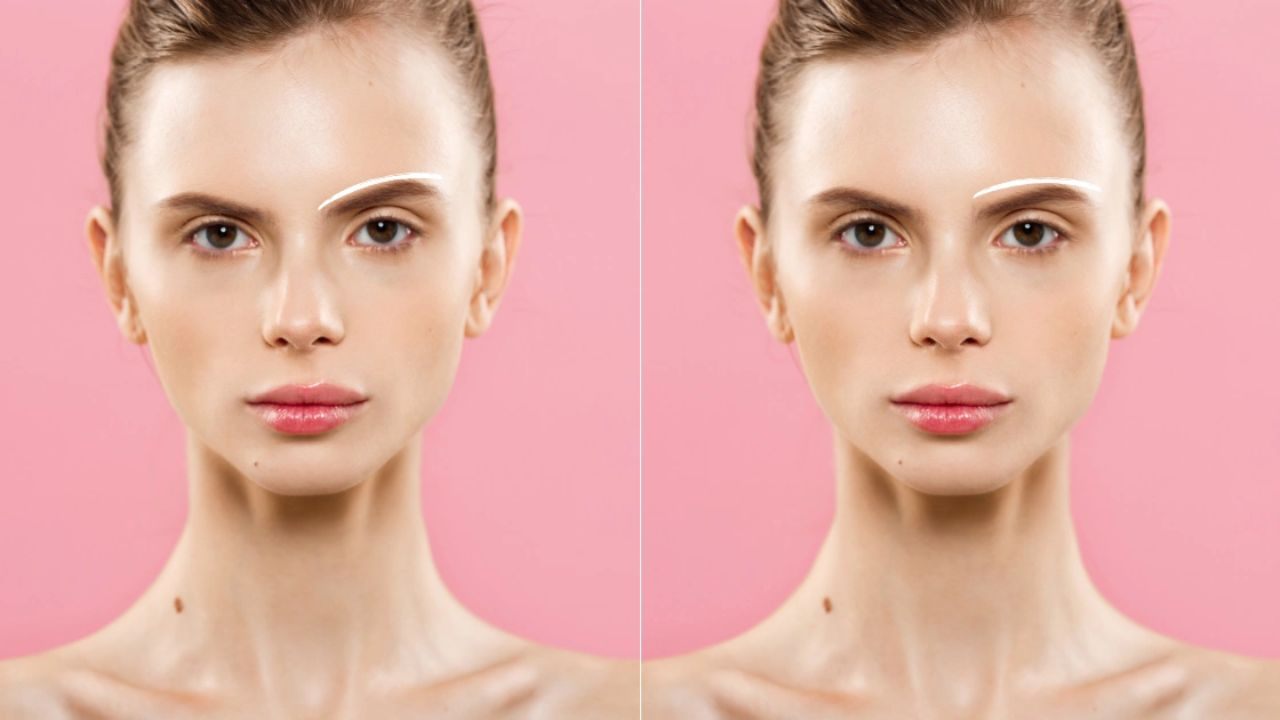
It can also highlight which features differ most from side to side, such as eyebrow height or jaw angle. That can help with styling choices that aim for visual balance, like haircut direction or glasses shape.
What it cannot do is tell you who you are as a person. You should treat it as a tool for appearance choices, not identity.
What Symmetry Signals In Human Perception
Humans notice patterns quickly, and faces are one of the strongest pattern signals we process.
Studies in face perception discuss symmetry as one cue that can influence attractiveness judgments. Still, people respond to the whole face, not a symmetry line down the center.
Your expression, eye contact, and grooming also shape perception, often more than tiny asymmetries. A score can help you see what is measurable, but perception in real life is still multi factor.
Why Symmetry Does Not Equal Health, Character, Or Worth
It is tempting to treat a high score as proof of being “better,” but that is not how this works.
Symmetry measurements are not medical screening tools, and they are not psychological assessments. Many healthy people have visible asymmetries, including differences in eyelid shape or smile pull.
Also, a symmetry score cannot measure kindness, competence, or emotional stability. Use the output to guide a practical choice, then move on.
When Symmetry Feedback Can Be Useful For Grooming Choices
Symmetry feedback is most useful when you are deciding on visual framing, like hair part placement or beard line shaping.
If one side of your face reads heavier in photos, you can place volume or texture to balance it. If your brows sit at different heights, you can adjust grooming with a lighter touch instead of overcorrecting.
You can also use the results to choose glasses that soften strong angles. This is where measurement can support confidence without obsessing.
How An AI Face Symmetry Test Works Behind The Scenes
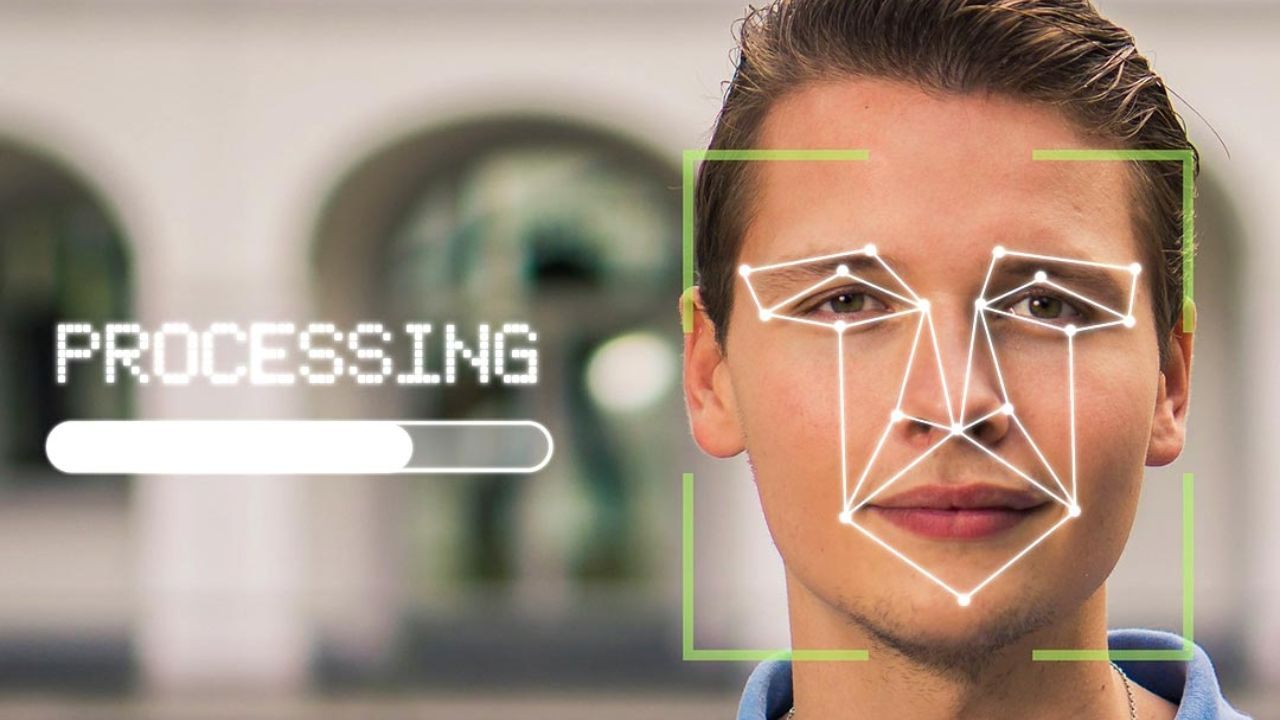
Most AI symmetry tools start by finding facial landmarks, which are points mapped to features like eyes, nose, lips, and jawline.

The model detects a face, predicts landmark locations, then calculates distances and angles that represent balance and proportions. Some tools compare mirrored halves of your face, while others compute ratios across key measurements.
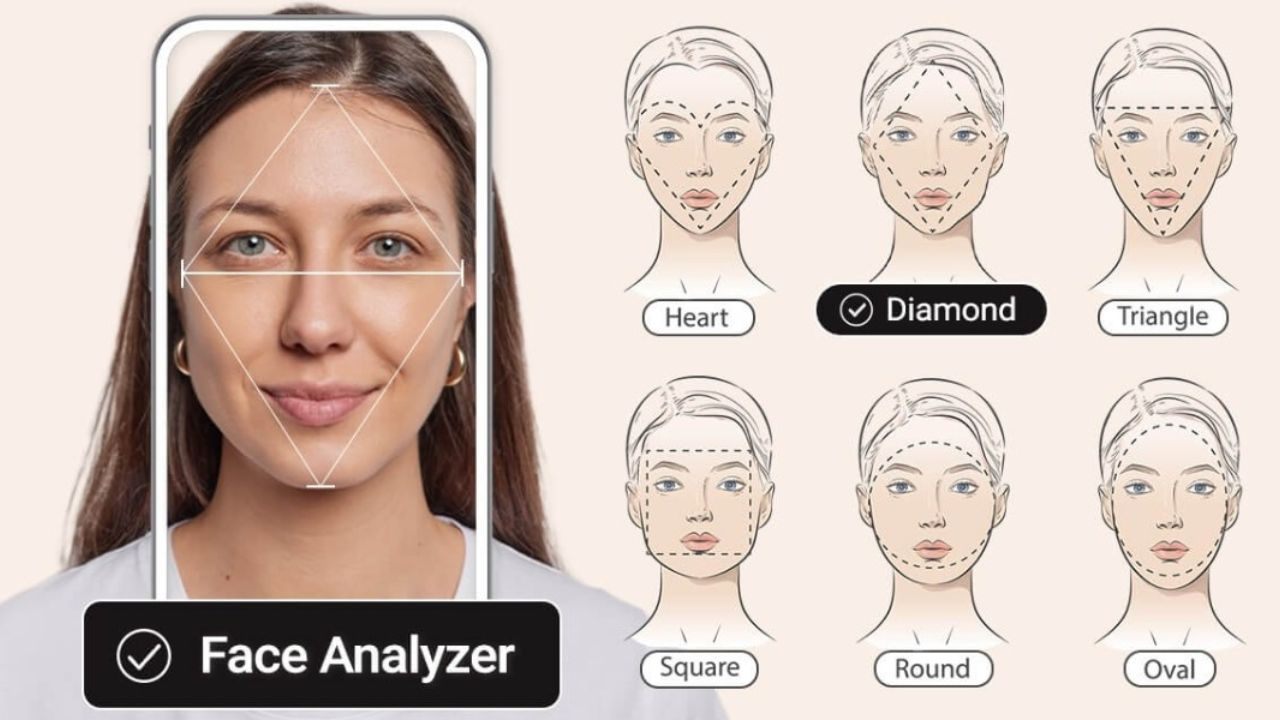
Many systems also estimate face shape because it affects how symmetry is interpreted visually. The result is a score, plus a list of feature differences.
Facial Landmarks And Left And Right Comparisons
Landmarks are the foundation, because the tool needs consistent reference points. A typical workflow detects the face first, then fits a landmark model to locate points around the eyes, nose, mouth, and outline.
From there, it can compare the left and right sets of points relative to a midline. If your head is not centered, the midline can shift, which changes the math. That is why “straight on” photos matter for measurement.
Common Scoring Methods Like Balance And Ratios
Tools vary, but many combine balance checks with ratio checks. Balance checks look at how far matching landmarks deviate from the midline, such as eye corner alignment.
Ratio checks look at proportional relationships, like face width versus face length, or eye spacing versus mouth width.
Some tools also reference the golden ratio concept, even though beauty is not fully captured by one number. The most reliable value comes from comparing your own photos under consistent conditions.
Accuracy Limits: Lighting, Expression, And Camera Distance
AI face analysis is sensitive to inputs, and symmetry is especially sensitive because small shifts matter.
A smile changes cheek volume and eye shape, which can move landmarks. Side lighting can exaggerate shadows that affect edge detection and feature boundaries.
Camera distance matters because close selfies can distort facial geometry, especially around the nose and jaw. You get better consistency when you use a neutral expression, even lighting, and a camera placed slightly farther away.
How To Use Symmetry Results Without Getting Misled
A useful symmetry check starts with realistic expectations. Your goal should be consistency and clarity, not chasing a perfect score.
If a tool points out a difference, treat it as a styling input, not a flaw to fix. You also need to protect your privacy, because facial images are personal data.
The best approach is to use one tool, repeat the same photo setup, and focus on what changes your confidence in a healthy way.
Better Photo Setup For More Consistent Results
Use a front facing photo with your face centered and level, because head tilt changes landmark alignment.
Choose even lighting from the front, not overhead or side lighting that creates harsh shadows. Remove hats and sunglasses, and avoid filters that alter facial geometry.
Keep your expression neutral, because smiles can change symmetry readings. If a tool offers capture guidance, follow it, then reuse that setup for future checks.
How To Compare Scores Over Time The Right Way
Do not compare one high score to one low score and assume your face “changed.” Compare trends across multiple photos taken the same way, preferably at the same time of day and similar lighting. If scores vary widely, the issue is usually capture conditions, not your features.
Also, compare tools cautiously, because each model uses different landmark sets and scoring rules. The most practical comparison is your score versus your score, not you versus someone else.
Privacy And Consent When Uploading Face Photos
Before you upload, check whether the tool explains storage and deletion practices. Some services state time limited retention, while others focus on broader business use cases, so you should read what applies to you.
Avoid uploading photos of other people without their consent, especially if results can be shared publicly.
If you are privacy cautious, prefer tools that allow local use or clear deletion policies. Think carefully about uploading face photos before you commit.
Best AI Tools For Checking Face Symmetry And Facial Ratios
There is no single “best” tool for everyone, because your goal matters. Some tools are built for quick symmetry scoring, while others combine symmetry with face shape and ratio analysis.
You should choose based on transparency, ease of use, and whether the output helps you make a real decision.
If a tool pushes you toward obsessive retesting, it is not serving you. Here are four widely used options that focus on symmetry, ratios, or both.
Fotor Face Symmetry Test
Fotor offers an online face symmetry test that describes comparing the left and right sides of your face and detecting key features such as eyes, nose, lips, and jawline. It positions the result as a symmetry score tied to balance and proportions.
This can be useful if you want a simple, quick read without extra steps. The best way to use it is to run the same type of photo a few times and see whether it highlights the same features consistently.
Media.io Face Symmetry Test
Media.io offers an AI face symmetry test that describes scanning facial landmarks, evaluating left and right balance, and referencing facial ratios and golden ratio style comparisons.
It also includes guidance about using a clear, front facing photo for best results and describes retention practices on its page.
This tool can work well if you want symmetry and ratio feedback in one report. As with any tool, you should treat the score as a guide for styling choices, not a final judgment.
Perfect Corp And YouCam Face Analyzer Tools
Perfect Corp’s face analyzer and YouCam tools emphasize landmark based analysis, including face shape detection, facial traits, and symmetry related evaluation.
This is helpful if you want symmetry context tied to styling, like hairstyles, eyewear, or makeup recommendations.
The strength is that you get a broader view than a single score, which can feel more actionable. The limitation is that broader analysis can invite overinterpretation, so you should focus on one change at a time.
Golden Ratio Face Calculators
Golden ratio face calculators compare facial measurements to a phi based reference and often present it as “harmony” scoring. This can be interesting if you like numbers and want a structured way to explore proportions.
It is also easy to misuse if you treat it as a universal beauty rule, because beauty standards are not one formula. Use these tools for education and styling ideas, like hair framing or contour placement, not as a pass or fail test.
Conclusion
AI face symmetry tools can help you understand how a photo based measurement sees balance across your features, and that can be useful for grooming choices.
The important limit is that the tool measures an image, not your full real world appearance, and it cannot tell you your worth. If you want reliable results, control your photo setup, compare your own scores over time, and avoid chasing a perfect number.