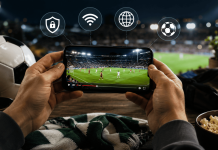

Streaming the 2026 World Cup free on mobile is a tempting prospect for football fans everywhere. The event will be seen by millions, and for many, the smartphone is their preferred screen.
For those who prioritize flexibility, catching matches while traveling or at work is a game-changer. Who stands to gain most from learning safe, legal options?

If you’re a football lover searching for cost-effective streaming, or someone worried about breaking digital rules, this article aims to provide clarity.
The focus is squarely on practical advice, so enthusiasts get real ways to watch matches—without questionable shortcuts.
Let’s explore which free streaming methods work for the 2026 World Cup, which apps are reliable, and typical challenges users might face.
Why Mobile Streaming Is Popular for the World Cup?
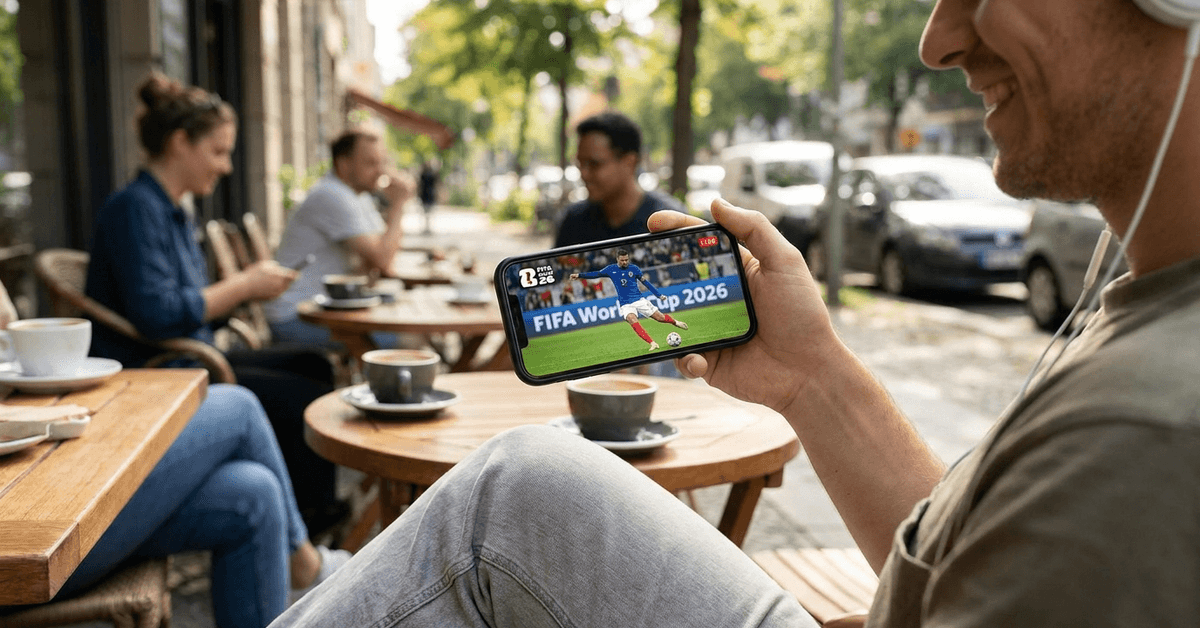
The global popularity of the World Cup creates unique viewing trends. Mobile devices make it easier for fans to catch every moment, even on the go.
There’s also the convenience factor, which shouldn’t be underestimated. Switching between matches, highlights, and social feeds is all possible right from your pocket.
High Accessibility and Flexibility
Smartphones have made watching live events less dependent on location. This increase in accessibility plays a major role in the rise of mobile viewing, allowing anyone with internet access to stay connected to the tournament.
Data-Saving Features
Some apps offer tools to manage data usage while streaming. While not every app optimizes for this, it’s a welcome feature in regions where bandwidth is limited or costly.
Companion Social Experience
Football is rarely watched alone. Mobile streaming lets fans chat, share clips, and react online, adding a social layer to the experience.
Official Free Streaming Options: What to Expect
Major international events like the World Cup often partner with official broadcasters who sometimes offer limited free streaming. However, options depend on your region and may involve specific national apps or services.
National Broadcaster Apps
Some countries have public broadcasters that occasionally stream matches for free on their official apps. These apps usually require simple sign-up but rarely demand payment from users in that country.
- Example: In the UK, BBC iPlayer sometimes streams matches for free to UK residents.
- In Spain, RTVE app could be a go-to for free live sports.
You’ll often need local residency or a national ID to access these. It may be necessary to check which broadcaster owns the rights in your country closer to the event.
Delayed or Highlight Streams
Not all official apps offer full match live streams for free. Many provide highlights, summaries, or delayed replays at no cost.
While not quite the same as live action, these allow fans to catch up without risking device security. Occasionally, semi-live features—such as minute-by-minute text commentary or quick video updates—are available.
Drawbacks of Official Apps
Even official apps can have drawbacks. Free streams may have limited capacity, lower video quality, or be restricted geographically.
Sometimes, the matches you want most are only for paid users or behind region locks. There’s a certain unpredictability about which matches will be available.
Free World Cup Mobile Apps: Not All Are Equal
A quick search will reveal hundreds of mobile apps claiming to offer World Cup coverage. Realistically, very few are authorized to show matches live and free.
Some apps focus on highlights or news, making them safe, albeit limited, choices. Others may offer more, but not everything is above board.
Coverage Apps vs. Stream Apps
- Coverage apps provide news, live commentary, stats, and highlight reels. FIFA’s own mobile app, for instance, gives official updates and sometimes unique content, but rarely live streams.
- Stream apps might offer live video, but need to be checked carefully for licensing, reviews, and data safety. Popular legal providers in one country may not be available elsewhere.
Security and Privacy Concerns
Some free apps—especially those with little brand recognition—are riskier. They might include excessive ads, malware, or demand more personal data than necessary.
Perhaps the best practice is prioritizing apps available on established app stores, and checking for recent reviews or suspicious permissions.
Using TV Network Apps Safely
Many major TV networks have companion mobile apps. Some, like NBC Sports or Fox Sports, may provide free matches as promotions or for registered users. It’s worth noting these offers can vary greatly by tournament and region.
Registration and Location Requirements
Typically, TV network apps need basic registration, and sometimes user location confirmation. Restrictions apply to viewers outside the broadcaster’s area.
For those outside their home country, access can be challenging, and any mention of using VPNs or proxy services should be approached cautiously and with an understanding of both legal and policy considerations.
Ad-Supported Free Content
Free live streams might be available in exchange for watching ads. This is a fair trade-off for many. The number and type of ads could increase during the tournament.
Sometimes, these in-app ads slow down playback or obscure important moments—so it’s wise to set expectations.
Troubleshooting Common Viewing Challenges
It’s common for users to encounter problems streaming such a high-profile tournament on mobile. Common issues range from unreliable app performance to restricted access during peak match times.
Bandwidth and Internet Speed
Live video streaming is demanding, and football matches can stretch network capacity, especially during finals. Lowering video quality can sometimes help reduce buffering if your connection is less stable.
Battery Life and Device Overheating
Extended streaming can quickly drain battery and heat up your device. It might help to keep a power bank nearby or lower screen brightness, though these are small fixes rather than complete solutions.
Account Limitations
Some free streaming offers may limit the number of matches you can watch without upgrading. Accounts left idle for too long may log out automatically. Keeping credentials handy or using secure password managers can be practical for quick re-entry.
Risk Factors: What to Avoid
Some routes to free streaming appear promising but have notable downsides. Not every 'free' app or third-party site can be trusted. There’s a risk of malware, privacy violations, or even exposure of sensitive data.
Unverified Streaming Sites
Avoid sites that lack a clear brand identity, user support, or published privacy policy. While these might work for some, they often come with more headaches than benefits—like unexpected pop-ups, forced downloads, or even hidden subscription traps. Even reading user reviews isn’t always foolproof, but it provides some warning signs.
Fake or Imitation Apps
App stores sometimes list copycat apps designed to mimic official broadcasters or known brands. These can harvest personal information or inject advertisements that disrupt the mobile experience. Sticking to well-known app publishers and checking update histories helps narrow the risks.
Alternative Solutions If Free Live Streams Aren’t Available
If full free streaming isn’t accessible in your country, alternatives exist. While not identical to live match viewing, they offer some level of engagement and information.
Free Radio Broadcasts
Some national broadcasters have mobile radio streams. While not visual, they bring live commentary, energy, and atmosphere. Free radio often has much wider reach, and the bandwidth demand is far smaller.
Live Match Updates and Social Media
Live-text commentary or 'watch-along' updates via apps like Twitter or specialized football apps create a near-live experience. Some fans feel these can be just as fun as video, especially with the added humor or insight from community discussions.
Public Screenings and Fan Zones
Not exactly mobile, but sometimes local cafes, community centers, or fan zones offer live match viewing at no personal cost. These events bring communal excitement, even if the streaming is handled by someone else.
Tips for Safe Mobile World Cup Streaming
- Use only official broadcaster apps or trusted sports platforms.
- Check your local streaming rights before match day.
- Avoid apps that request too many personal permissions.
- Lower video quality when your internet connection is unstable.
- Keep your phone charged or use a power bank during long matches.
Final Thoughts on Free World Cup Mobile Streaming
Watching the 2026 World Cup on mobile can be simple when you choose safe and legal options. Official apps, broadcaster platforms, and trusted alternatives give fans more flexibility without unnecessary risks.
Free access may vary by country, so checking availability before each match is important. With the right setup, your phone can become a reliable way to follow the tournament anywhere.